


-

Add: HeBei ShengShi HongBang Cellulose Technology CO.,LTD.
-

Email
13180486930@163.com -

CONTACT US
+86 13180486930



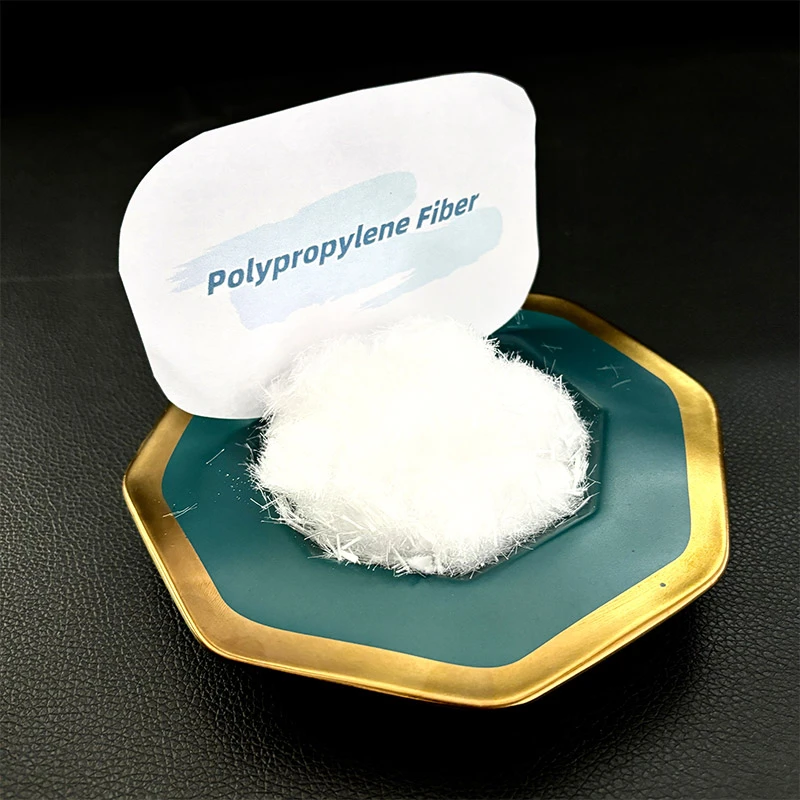
Polypropylene fiber is a key solution in the manufacturing industry, specifically within Manufacturing of building materials and Concrete admixture. This article explores how HeBei ShengShi HongBang Cellulose Technology CO.,LTD. supports professionals with durable, high-performance products, and explains why this product is an ideal choice for businesses in these sectors. Table of Contents Polypropylene Fiber Overview Benefits & Use Cases of Polypropylene Fiber in Concrete Admixture Cost, Maintenance & User Experience Sustainability & Market Trends in Manufacturing Conclusion on Polypropylene Fiber from HeBei ShengShi HongBang Cellulose Technology CO.,LTD. Polypropylene Fiber Overview In the demanding world of manufacturing, particularly within the Manufacturing of building materials and Concrete admixture sectors, the integrity and longevity of concrete structures are paramount. This is where polypropylene fiber plays a crucial role. As a high-performance additive, `PP fiber` is designed to enhance the mechanical properties of concrete, mortar, and screeds. It acts as a micro-reinforcement, effectively mitigating plastic shrinkage cracking, a common issue in newly placed concrete. Technically, `polypropylene fibre` is an inert, synthetic material that is highly resistant to alkalis, acids, and salts, making it ideal for harsh construction environments. These `microfiber synthetic` filaments disperse uniformly throughout the concrete mix, creating a three-dimensional network that improves cohesion and reduces permeability. HeBei ShengShi HongBang Cellulose Technology CO.,LTD. stands as a reliable manufacturer, delivering top-quality `polypropylene fiber` that meets stringent industry standards, ensuring superior performance for your concrete projects. Our commitment to quality means that every batch of `PP fiber concrete` additive provides consistent, predictable results for our partners. Benefits & Use Cases of Polypropylene Fiber in Concrete Admixture The integration of polypropylene fiber into concrete admixture offers a multitude of benefits essential for modern construction. Primarily, it significantly reduces plastic shrinkage and settlement cracking, which are initial signs of structural weakness. By incorporating `PP fiber`, concrete gains enhanced toughness, increased impact resistance, and improved abrasion resistance. This makes `PP fiber concrete` an ideal choice for a variety of critical applications such as industrial floorings, pavements, precast elements, and shotcrete, where durability under heavy loads and exposure to wear is crucial. The unique properties of our `microfiber synthetic` products ensure uniform dispersion, preventing segregation and bleeding, leading to a more homogenous and robust concrete matrix. HeBei ShengShi HongBang Cellulose Technology CO.,LTD. leverages extensive expertise in this sector, providing `polypropylene fibre` solutions that are meticulously engineered to optimize performance, minimize maintenance costs, and extend the service life of concrete structures. Our tailored `polypropylene fiber` solutions enable precise dosing, ensuring optimal enhancement for every specific project requirement. Cost, Maintenance & User Experience Investing in high-quality polypropylene fiber from HeBei ShengShi HongBang Cellulose Technology CO.,LTD. translates into significant long-term savings and an excellent return on investment (ROI) for B2B decision-makers in the Manufacturing of building materials sector. While there's an initial cost for the `PP fiber` additive, the durability it imparts to `PP fiber concrete` dramatically reduces the need for costly repairs and maintenance over the lifecycle of a structure. By effectively preventing cracks and enhancing resistance to impact and abrasion, our `microfiber synthetic` solution ensures concrete structures remain sound and functional for longer. Customers in the Manufacturing of building materials sector consistently provide positive feedback, highlighting the ease of integration into existing concrete mixes and the noticeable improvement in concrete performance. The enhanced workability and reduced cracking lead to smoother project execution and fewer post-pour issues, improving overall user experience for contractors and end-users alike. This reliability makes our `polypropylene fibre` an economical choice for projects demanding enduring strength and minimal upkeep. Sustainability & Market Trends in Manufacturing The manufacturing industry, especially within Manufacturing of building materials, is increasingly focused on sustainability and adopting eco-conscious practices. Polypropylene fiber plays a pivotal role in this shift by contributing to more durable and longer-lasting concrete structures, thereby reducing the environmental impact associated with frequent repairs or replacements. As regulatory landscapes evolve to favor greener construction methods, the demand for high-performance additives like `PP fiber` is experiencing significant growth. Our `microfiber synthetic` products help produce concrete that stands the test of time, minimizing waste and resource consumption. HeBei ShengShi HongBang Cellulose Technology CO.,LTD. is at the forefront of this trend, positioning itself as a forward-thinking and eco-conscious provider of `polypropylene fibre`. We are committed to developing sustainable solutions that not only meet current industry demands but also anticipate future requirements for resilient and environmentally friendly `PP fiber concrete` applications. Our dedication extends to ensuring our manufacturing processes are as efficient and low-impact as possible, aligning with global sustainability goals. Conclusion on Polypropylene Fiber from HeBei ShengShi HongBang Cellulose Technology CO.,LTD. In conclusion, polypropylene fiber is an indispensable component for enhancing concrete performance across the manufacturing and Manufacturing of building materials industries, particularly in Concrete admixture. HeBei ShengShi HongBang Cellulose Technology CO.,LTD. provides superior `polypropylene fiber` solutions that deliver exceptional crack control, durability, and cost-effectiveness. Our `PP fiber` and `microfiber synthetic` products empower B2B decision-makers to construct resilient, long-lasting structures while supporting sustainable building practices. Trust HeBei ShengShi HongBang Cellulose Technology CO.,LTD. to be your partner in achieving optimal `PP fiber concrete` results. For high-quality `polypropylene fibre` and expert support, reach out to us today. Contact us: email: 13180486930@163.com Visit our website: https://www.sshbhpmc.com
- 40000tons

Production
- 20+years

Experience
- 5000+㎡

Acreage

-
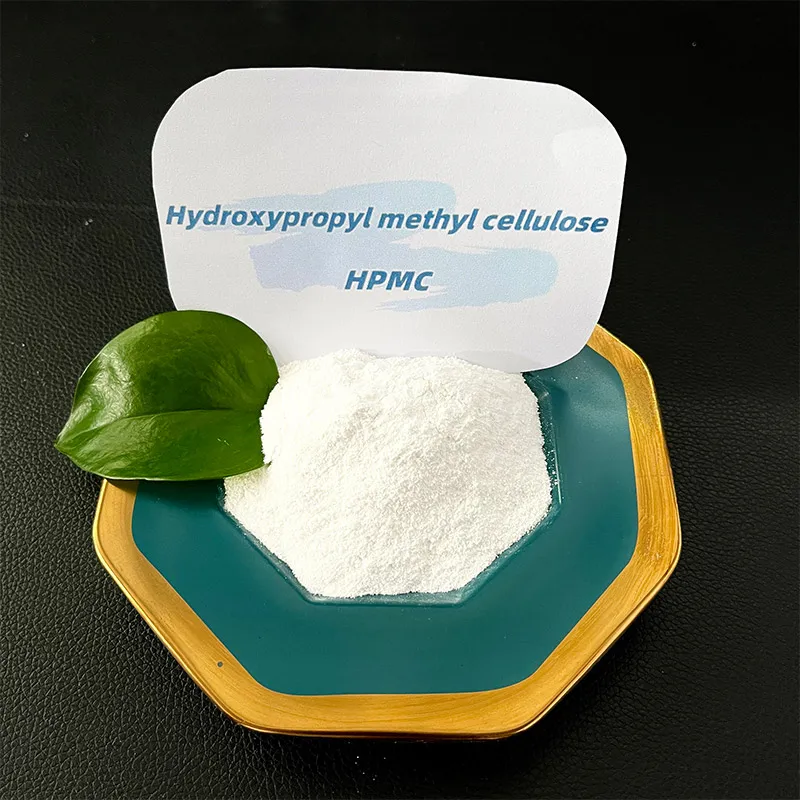
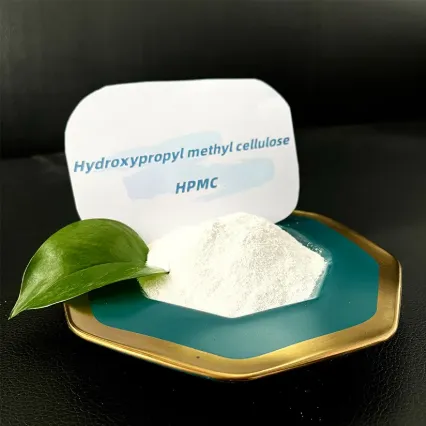
High Performance Computing (HPC) and Hydroxypropyl Methylcellulose (HPMC) might seem like disparate terms, but they represent pivotal influences in their respective domains—technology and material science. As the digital era sweeps across industries, understanding the roles these elements play in shaping technological advancements becomes indispensable. HPC is a cornerstone in computational processes, enabling large-scale simulations, complex calculations, and efficient data processing. Its significance is particularly pronounced in areas like climate modeling, physics simulations, and drug discovery where traditional computing methodologies fall short. HPC systems enhance computational capabilities by linking computer clusters to function as a single entity, thereby optimizing processing power and speed. Businesses and institutions harness this capacity to solve problems that were previously insurmountable, significantly reducing the time required for research and development. Conversely, HPMC stands as a key player in the pharmaceutical and construction industries. As a semi-synthetic polymer, it exhibits excellent properties that make it an indispensable additive. In pharmaceuticals, HPMC serves as a controlled-release agent, ensuring the active ingredient in a drug is distributed at an appropriate pace in the body, enhancing the drug's effectiveness and patient safety. In construction, HPMC is valued for its water retention and cement dispersion properties, crucial for improving the workability of cement and plaster, leading to prolonged setting times and enhanced durability of structures. Bridging HPC and HPMC is their shared goal of fostering innovation and efficiency. Companies integrating HPC into their processes can speedily analyze vast data sets to identify patterns and make informed decisions, perhaps even in the tailoring of drug formulations utilizing HPMC. Such synergy allows for an unprecedented level of product refinement and predictive modeling, elevating the standards of quality and safety. Furthermore, the intersection of HPC and HPMC is visible in material science, where simulations powered by HPC can predict how HPMC and other polymers interact at a molecular level. Such insights are crucial for the development of new materials with customized properties, thereby expanding the potential applications of HPMC in various industries. hpc hpmc In practical applications , HPC has dramatically altered how industries approach data. For example, in genomics, HPC provides the computational capacity to conduct comprehensive genome analyses, a task unmanageable without such technology. These analyses can propel forward research in genetic disorders, fostering early detection and personalized medicine. Similarly, in the realm of energy, HPC aids in optimizing the exploration and production of energy resources, enhancing both efficiency and sustainability. On the HPMC front, its versatility extends into the food industry, where it acts as a stabilizer, thickener, and emulsifier. The non-toxic and non-allergenic nature of HPMC makes it an attractive option in developing food products that meet stringent safety standards while retaining taste and texture. In the realm of personal care products, it is used to enhance the consistency and shelf life of goods such as lotions and creams. Given this context, businesses looking to leverage these innovations need to astutely integrate HPC into their strategic planning and utilize HPMC in product development to stay competitive. Organizations should invest in training and development of their workforce to gain expertise in these technologies, ensuring they remain at the forefront of their industries. Trust in these technologies comes from demonstrated success and scientific validation. For companies involved with HPC, regularly publishing peer-reviewed research and case studies can help bolster trustworthiness and transparency in their methodologies. Simultaneously, firms utilizing HPMC in products must comply with regulatory standards and publish their compliance and safety certifications to establish credibility and consumer trust. In conclusion, HPC and HPMC exemplify the potential inherent in technological and scientific advancement. While they operate in distinct spheres, their intersection presents endless opportunities for innovation and enhancement of products and services. By harnessing their capabilities, industries can not only improve their processes and offerings but also foster an environment where continuous improvement and cutting-edge solutions are the norms.
-
In today’s industrial landscape, sustainable material solutions drive innovation. Micronized rubber powder transforms waste tires into high-value commodities, revolutionizing sectors from construction to automotive manufacturing. As wholesale suppliers, we empower businesses with bulk quantities of engineered rubber powders, ensuring consistency through advanced dispersion techniques. This article explores production methodologies, diverse applications, and wholesale advantages of specialized rubber powders, positioning them as indispensable assets for large-scale operations. The Evolution and Production of Rubber Powder The genesis of rubber powder lies in repurposing end-of-life tires through ambient or cryogenic processing. Ambient grinding shreds tires mechanically, producing coarse particles ideal for asphalt modifiers. Conversely, cryogenic rubber powder production immerses tire fragments in liquid nitrogen at -80°C, making them brittle for precise pulverization. This method yields ultra-fine (40–100 mesh), high-purity powder with intact polymer chains, essential for premium applications like coatings or adhesives. For wholesale procurement, consistency is non-negotiable. Our quality assurance protocols include laser diffraction analysis and sieve testing, guaranteeing uniform particle distribution in bulk shipments. Partnering with tier-1 recyclers, we secure traceable raw materials to fulfill industrial-scale orders while adhering to ASTM D5603 standards. Diverse Industrial Rubber Powder Uses Rubber powder uses span industries, driven by versatility and cost-efficiency. In infrastructure, micronized rubber powder modifies bitumen, enhancing road durability and reducing cracking. Wholesale construction clients procure batches for highway projects, slashing material costs versus virgin polymers. The automotive sector leverages epdm rubber powder in molded components like seals and gaskets, where its ozone resistance extends product lifespans. Athletic facilities use cryogenic rubber powder in synthetic turf infills, benefiting from its allergen-free properties and impact absorption. For manufacturers, bulk integration reduces virgin EPDM consumption, aligning with circular economy mandates. Case studies highlight a European tire maker cutting waste costs using our powder in retreading compounds. Technical Advantages of Micronized and Cryogenic Variants Micronized rubber powder ’s surface morphology enables superior polymer bonding. Plasma treatment increases surface energy, allowing seamless integration into thermoplastics like PP or PE. For adhesives, powder enhances viscosity without solvents, a key selling point for eco-conscious bulk buyers. Meanwhile, cryogenic rubber powder excels in precision applications. Its low-temperature production preserves ethylene-propylene-diene terpolymer (EPDM) structures, yielding powders with contamination. Wholesale clients in aerospace utilize grades for vibration-damping components, where particle homogeneity ensures batch-to-batch reliability. Our dispersion protocols employ twin-screw extruders with shear zones optimized , achieving particle distribution uniformity—critical for injection molding clients ordering monthly volumes. Specialized Applications of EPDM Rubber Powder Epdm rubber powder dominates high-temperature and weathering-resistant applications. Its sulfur-free cross-linking withstands, making it ideal for under-hood automotive parts. Roofing manufacturers bulk-order pallets for single-ply membranes, where EPDM’s UV stability outperforms PVC alternatives by 2×. In industrial rubber goods, epdm rubber powder replaces virgin material in conveyor belts. Our micronized EPDM powders (60–120 mesh) feature controlled carbon black content for consistent vulcanization in wholesale compound production. A recent partnership with a railway supplier saw EPDM powder orders for noise-reduction pads, leveraging our just-in-time logistics network for port-side delivery. FAQs : Rubber Powder What distinguishes ambient rubber powder from cryogenic rubber powder ? Ambient grinding produces irregularly shaped particles suited for low-cost fillers. Cryogenic processing creates finer, spherical particles with oxidized surfaces for enhanced polymer bonding. How does micronized rubber powder enhance asphalt performance? It forms a polymer network within bitumen, improving elasticity and reducing temperature susceptibility. This extends pavement lifespan by years and lowers wholesale maintenance costs. Can epdm rubber powder replace virgin EPDM in seals? Yes, at loading. It maintains tensile strength and compression set resistance while reducing material costs for bulk buyers. What industries prioritize cryogenic rubber powder ? High-spec sectors like automotive (NVH components), medical (hypoallergenic flooring), and precision molding, where particle sizes microns ensure defect-free surfaces. Are there volume discounts for bulk rubber powder uses ? Absolutely.Blended pallet options combining epdm rubber powder and micronized rubber powder .
advantages
-

200000 Viscosities
Excellent product
We can produce pure products up to 200,000 viscosities
-

40000 tons
High yield
We don’t stop production all year round, and the annual output can reach 40,000 tons
-

24 hours
Quality service
We provide 24-hours online reception service, welcome to consult at any time
———— Inquiry Form
Schedule A services
- hps
Oct . 25, 2025
In the vast landscape of chemical manufacturing, Hydroxypropyl Methylcellulose (HPMC) stands out as -
 a_polymer_powder
Oct . 25, 2025
In today’s age of sustainable manufacturing and eco-conscious innovation, wood cellulose has gained -
 cellulose_wood_chips
Oct . 25, 2025
Polypropylene fiber ( PP fiber ) has transformed the synthetic fiber market with its remarkable tech


